|
|
| Line 12: |
Line 12: |
|
| |
|
| == Other mappings == | | == Other mappings == |
| There are three other mappings that reach the perfect fifth in 4 generator steps that might also be useful. These are the [[Negri]], [[Squares]], and [[Buzzard]] mappings. | | There are three other mappings that reach the perfect fourth or fifth in 4 generator steps that might also be useful. These are the [[Negri]], [[Squares]], and [[Buzzard]] mappings. |
|
| |
|
| === Negri === | | === Negri === |
| Line 22: |
Line 22: |
| === Buzzard === | | === Buzzard === |
| {{Lumatone EDO mapping|n=48|start=7|xstep=9|ystep=-8}} | | {{Lumatone EDO mapping|n=48|start=7|xstep=9|ystep=-8}} |
| | |
| | == Negri-related 8th-octave temperament == |
| | [[Bryan Deister]] has demonstrated an [[8th-octave_temperaments|8th-octave temperament]] mapping for [[48edo]], in [https://www.youtube.com/watch?v=UgngKVswJfI ''48edo improv''] (2026). This temperament equates the near-just Alpharabian tendoneutral second ~[[12/11]] (one key right, as 6\48) to 1/8 of an octave — the [[undecimal octatonic comma]] 214990848/214358881 is tempered out. Supported scales include [[6L 6s]] (5:1 step ratio) and rotated [[3L 3s]] (11:5 step ratio). Following the reverse chroma 5\48 downwards, which maps as a very sharp classic diatonic semitone ~[[16/15]], and bypassing the 8th-octave period, one gets the sharp approximation of the septimal major second ~[[8/7]] (requires using the 48d val) at two of these; the flat but consistent approximation of the classic major third ~[[5/4]] at three of these; and the near-just fourth ~[[4/3]] at four of these, thereby making this also a rotated [[negri]] mapping. Octaves slope up with the rows; the range is 4½ octaves, with a few repeated notes to mitigate vertical wraprounds. |
| | {{Lumatone EDO mapping|n=48|start=42|xstep=6|ystep=5}} |
|
| |
|
| {{Navbox Lumatone}} | | {{Navbox Lumatone}} |
Revision as of 18:46, 27 October 2026
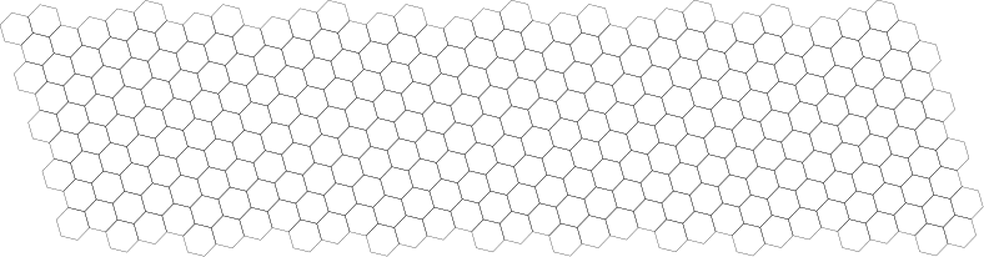
There are many conceivable ways to map 48edo onto the onto the Lumatone keyboard. However, it has 4 mutually-exclusive rings of fifths, so the Standard Lumatone mapping for Pythagorean is not one of them. Since it is highly composite, many other mappings will also fail to cover the whole gamut.
Tetracot
If you want an evenly distributed heptatonic scale that gives easy access to the perfect 5th, you instead need to use the Tetracot mapping, which is probably the most efficient and intuitive way of organising its intervals. Though, the 7L 6s MOS has a 6:1 step ratio, making it very lopsided.
Bryan Deister demonstrates this layout (albeit with range restricted to 1 MIDI channel) in 48edo layout (2025).
33
40
39
46
5
12
19
38
45
4
11
18
25
32
39
44
3
10
17
24
31
38
45
4
11
18
43
2
9
16
23
30
37
44
3
10
17
24
31
38
1
8
15
22
29
36
43
2
9
16
23
30
37
44
3
10
17
0
7
14
21
28
35
42
1
8
15
22
29
36
43
2
9
16
23
30
37
6
13
20
27
34
41
0
7
14
21
28
35
42
1
8
15
22
29
36
43
2
9
16
5
12
19
26
33
40
47
6
13
20
27
34
41
0
7
14
21
28
35
42
1
8
15
22
29
36
18
25
32
39
46
5
12
19
26
33
40
47
6
13
20
27
34
41
0
7
14
21
28
35
42
1
8
15
38
45
4
11
18
25
32
39
46
5
12
19
26
33
40
47
6
13
20
27
34
41
0
7
14
21
17
24
31
38
45
4
11
18
25
32
39
46
5
12
19
26
33
40
47
6
13
20
27
37
44
3
10
17
24
31
38
45
4
11
18
25
32
39
46
5
12
19
26
16
23
30
37
44
3
10
17
24
31
38
45
4
11
18
25
32
36
43
2
9
16
23
30
37
44
3
10
17
24
31
15
22
29
36
43
2
9
16
23
30
37
35
42
1
8
15
22
29
36
14
21
28
35
42
34
41
Doublewide
If you don't mind skipping the occasional step, the doublewide mapping expands your range and is particularly efficient at spanning the 11-limit.
5
16
7
18
29
40
3
46
9
20
31
42
5
16
27
0
11
22
33
44
7
18
29
40
3
14
39
2
13
24
35
46
9
20
31
42
5
16
27
38
41
4
15
26
37
0
11
22
33
44
7
18
29
40
3
14
25
32
43
6
17
28
39
2
13
24
35
46
9
20
31
42
5
16
27
38
1
34
45
8
19
30
41
4
15
26
37
0
11
22
33
44
7
18
29
40
3
14
25
36
25
36
47
10
21
32
43
6
17
28
39
2
13
24
35
46
9
20
31
42
5
16
27
38
1
12
38
1
12
23
34
45
8
19
30
41
4
15
26
37
0
11
22
33
44
7
18
29
40
3
14
25
36
47
14
25
36
47
10
21
32
43
6
17
28
39
2
13
24
35
46
9
20
31
42
5
16
27
38
1
1
12
23
34
45
8
19
30
41
4
15
26
37
0
11
22
33
44
7
18
29
40
3
25
36
47
10
21
32
43
6
17
28
39
2
13
24
35
46
9
20
31
42
12
23
34
45
8
19
30
41
4
15
26
37
0
11
22
33
44
36
47
10
21
32
43
6
17
28
39
2
13
24
35
23
34
45
8
19
30
41
4
15
26
37
47
10
21
32
43
6
17
28
34
45
8
19
30
10
21
Other mappings
There are three other mappings that reach the perfect fourth or fifth in 4 generator steps that might also be useful. These are the Negri, Squares, and Buzzard mappings.
Negri
4
9
12
17
22
27
32
15
20
25
30
35
40
45
2
23
28
33
38
43
0
5
10
15
20
25
26
31
36
41
46
3
8
13
18
23
28
33
38
43
34
39
44
1
6
11
16
21
26
31
36
41
46
3
8
13
18
37
42
47
4
9
14
19
24
29
34
39
44
1
6
11
16
21
26
31
36
45
2
7
12
17
22
27
32
37
42
47
4
9
14
19
24
29
34
39
44
1
6
11
0
5
10
15
20
25
30
35
40
45
2
7
12
17
22
27
32
37
42
47
4
9
14
19
24
29
13
18
23
28
33
38
43
0
5
10
15
20
25
30
35
40
45
2
7
12
17
22
27
32
37
42
47
4
31
36
41
46
3
8
13
18
23
28
33
38
43
0
5
10
15
20
25
30
35
40
45
2
7
12
6
11
16
21
26
31
36
41
46
3
8
13
18
23
28
33
38
43
0
5
10
15
20
24
29
34
39
44
1
6
11
16
21
26
31
36
41
46
3
8
13
18
23
47
4
9
14
19
24
29
34
39
44
1
6
11
16
21
26
31
17
22
27
32
37
42
47
4
9
14
19
24
29
34
40
45
2
7
12
17
22
27
32
37
42
10
15
20
25
30
35
40
45
33
38
43
0
5
3
8
Squares
29
32
40
43
46
1
4
0
3
6
9
12
15
18
21
11
14
17
20
23
26
29
32
35
38
41
19
22
25
28
31
34
37
40
43
46
1
4
7
10
30
33
36
39
42
45
0
3
6
9
12
15
18
21
24
27
30
38
41
44
47
2
5
8
11
14
17
20
23
26
29
32
35
38
41
44
47
1
4
7
10
13
16
19
22
25
28
31
34
37
40
43
46
1
4
7
10
13
16
19
9
12
15
18
21
24
27
30
33
36
39
42
45
0
3
6
9
12
15
18
21
24
27
30
33
36
23
26
29
32
35
38
41
44
47
2
5
8
11
14
17
20
23
26
29
32
35
38
41
44
47
2
5
8
40
43
46
1
4
7
10
13
16
19
22
25
28
31
34
37
40
43
46
1
4
7
10
13
16
19
12
15
18
21
24
27
30
33
36
39
42
45
0
3
6
9
12
15
18
21
24
27
30
29
32
35
38
41
44
47
2
5
8
11
14
17
20
23
26
29
32
35
38
1
4
7
10
13
16
19
22
25
28
31
34
37
40
43
46
1
18
21
24
27
30
33
36
39
42
45
0
3
6
9
38
41
44
47
2
5
8
11
14
17
20
7
10
13
16
19
22
25
28
27
30
33
36
39
44
47
Buzzard
7
16
8
17
26
35
44
0
9
18
27
36
45
6
15
1
10
19
28
37
46
7
16
25
34
43
41
2
11
20
29
38
47
8
17
26
35
44
5
14
42
3
12
21
30
39
0
9
18
27
36
45
6
15
24
33
42
34
43
4
13
22
31
40
1
10
19
28
37
46
7
16
25
34
43
4
13
35
44
5
14
23
32
41
2
11
20
29
38
47
8
17
26
35
44
5
14
23
32
41
27
36
45
6
15
24
33
42
3
12
21
30
39
0
9
18
27
36
45
6
15
24
33
42
3
12
37
46
7
16
25
34
43
4
13
22
31
40
1
10
19
28
37
46
7
16
25
34
43
4
13
22
31
40
8
17
26
35
44
5
14
23
32
41
2
11
20
29
38
47
8
17
26
35
44
5
14
23
32
41
36
45
6
15
24
33
42
3
12
21
30
39
0
9
18
27
36
45
6
15
24
33
42
7
16
25
34
43
4
13
22
31
40
1
10
19
28
37
46
7
16
25
34
35
44
5
14
23
32
41
2
11
20
29
38
47
8
17
26
35
6
15
24
33
42
3
12
21
30
39
0
9
18
27
34
43
4
13
22
31
40
1
10
19
28
5
14
23
32
41
2
11
20
33
42
3
12
21
4
13
Bryan Deister has demonstrated an 8th-octave temperament mapping for 48edo, in 48edo improv (2026). This temperament equates the near-just Alpharabian tendoneutral second ~12/11 (one key right, as 6\48) to 1/8 of an octave — the undecimal octatonic comma 214990848/214358881 is tempered out. Supported scales include 6L 6s (5:1 step ratio) and rotated 3L 3s (11:5 step ratio). Following the reverse chroma 5\48 downwards, which maps as a very sharp classic diatonic semitone ~16/15, and bypassing the 8th-octave period, one gets the sharp approximation of the septimal major second ~8/7 (requires using the 48d val) at two of these; the flat but consistent approximation of the classic major third ~5/4 at three of these; and the near-just fourth ~4/3 at four of these, thereby making this also a rotated negri mapping. Octaves slope up with the rows; the range is 4½ octaves, with a few repeated notes to mitigate vertical wraprounds.
42
0
5
11
17
23
29
10
16
22
28
34
40
46
4
21
27
33
39
45
3
9
15
21
27
33
26
32
38
44
2
8
14
20
26
32
38
44
2
8
37
43
1
7
13
19
25
31
37
43
1
7
13
19
25
31
37
42
0
6
12
18
24
30
36
42
0
6
12
18
24
30
36
42
0
6
12
5
11
17
23
29
35
41
47
5
11
17
23
29
35
41
47
5
11
17
23
29
35
41
10
16
22
28
34
40
46
4
10
16
22
28
34
40
46
4
10
16
22
28
34
40
46
4
10
16
27
33
39
45
3
9
15
21
27
33
39
45
3
9
15
21
27
33
39
45
3
9
15
21
27
33
39
45
2
8
14
20
26
32
38
44
2
8
14
20
26
32
38
44
2
8
14
20
26
32
38
44
2
8
31
37
43
1
7
13
19
25
31
37
43
1
7
13
19
25
31
37
43
1
7
13
19
6
12
18
24
30
36
42
0
6
12
18
24
30
36
42
0
6
12
18
24
35
41
47
5
11
17
23
29
35
41
47
5
11
17
23
29
35
10
16
22
28
34
40
46
4
10
16
22
28
34
40
39
45
3
9
15
21
27
33
39
45
3
14
20
26
32
38
44
2
8
43
1
7
13
19
18
24
